Cart
0
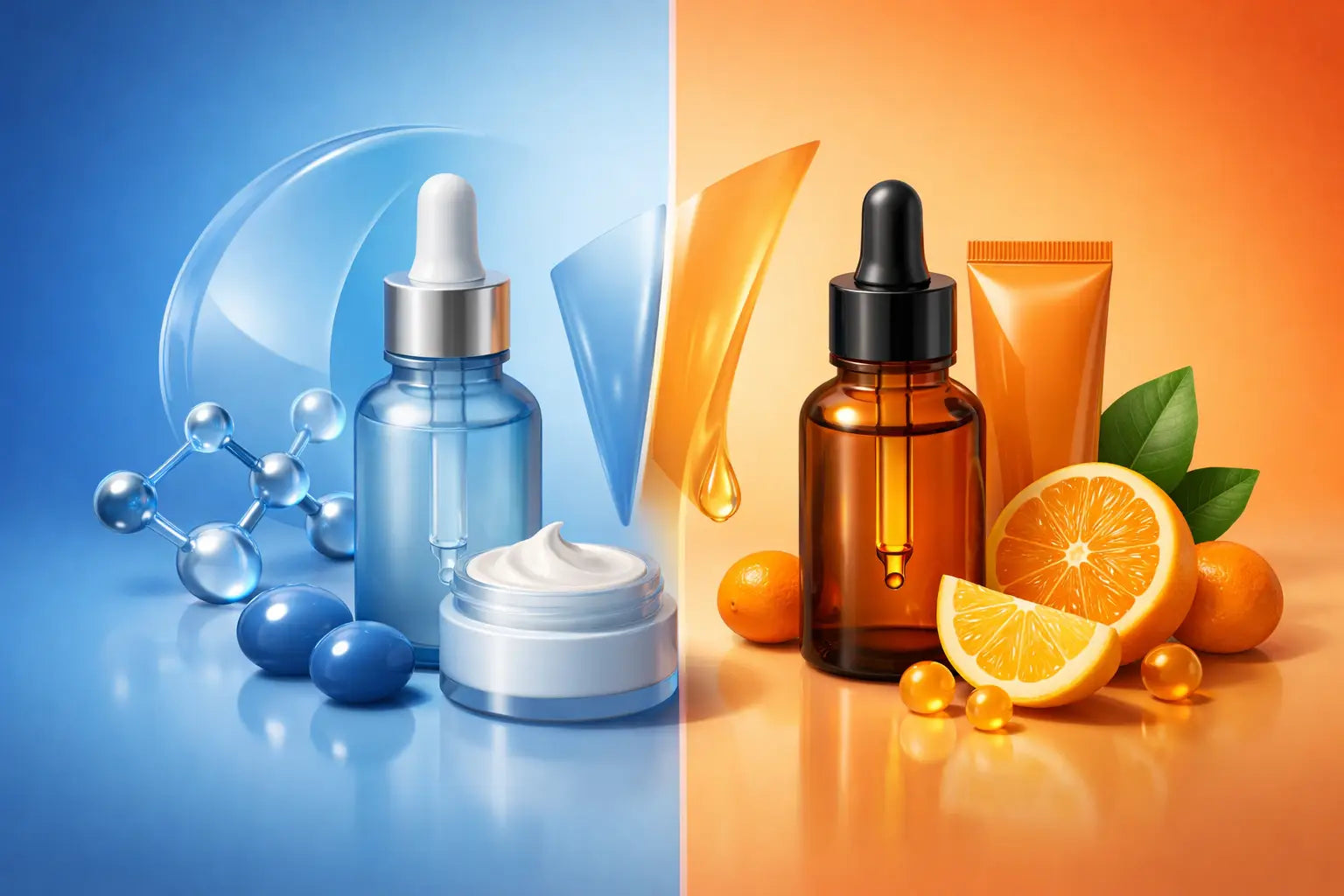
If your skin has been looking a little tired, textured, or uneven, the retinol vs vitamin c question usually shows up fast. Both ingredients have serious glow-boosting reputations, and both can earn a spot in your routine. The trick is knowing what each one actually does, what your skin needs most right now, and how to use them without turning your bathroom counter into a chemistry experiment.
Some skincare choices are easy. Cleanser, moisturizer, sunscreen - done. But actives are where things get personal. Retinol and vitamin C can both help your skin look smoother, brighter, and more refreshed, yet they work in very different ways. If you have been trying to decide which one deserves your attention first, here is the clear, beauty-friendly version.
Retinol vs vitamin C: what is the real difference?
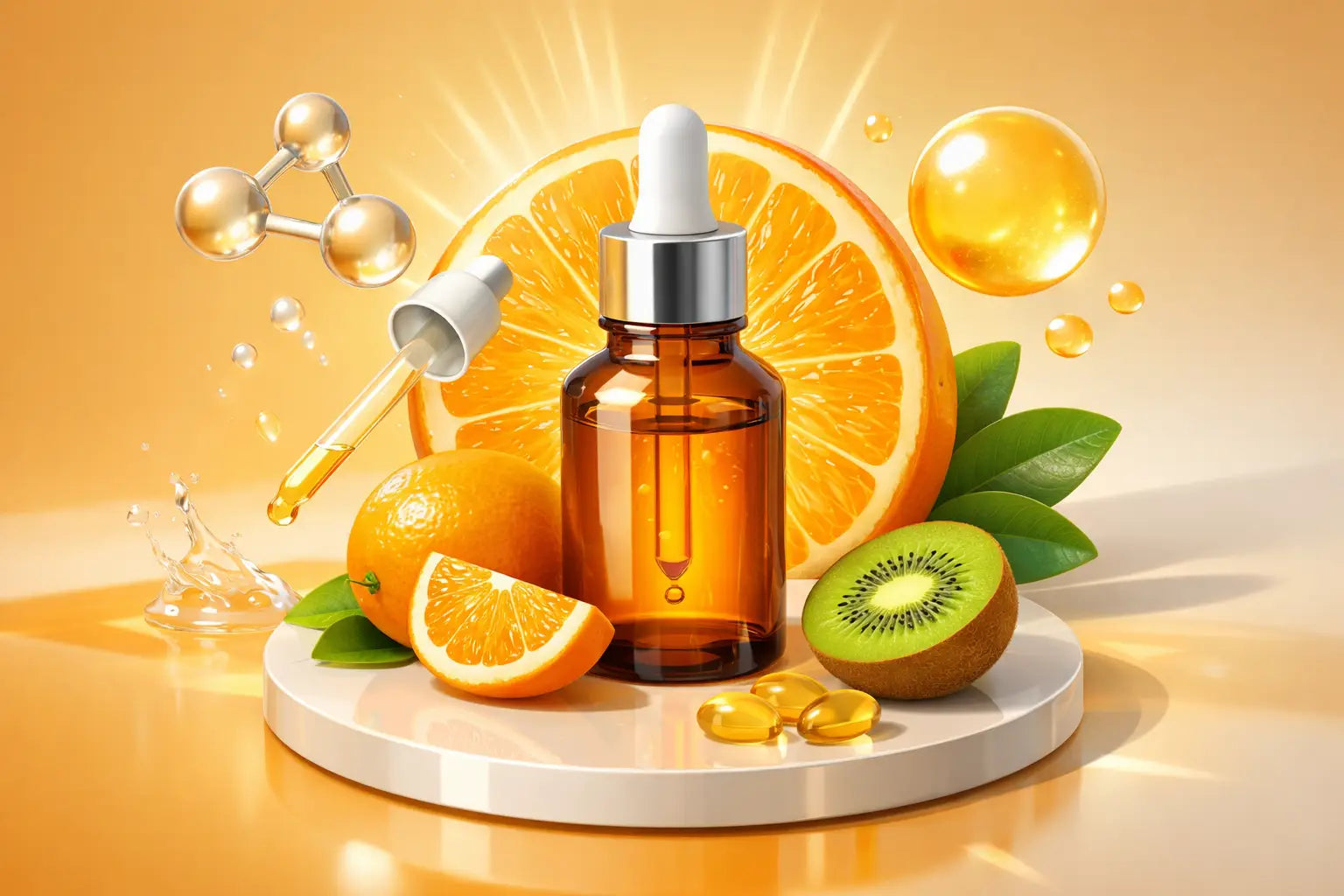
Vitamin C is your brightness specialist. It is best known for helping skin look more radiant, supporting a more even tone, and giving dull complexions that fresh, awake look. It is often the ingredient people reach for when their skin feels flat, tired, or marked by the look of post-breakout discoloration.
Retinol is more about renewal. It encourages skin turnover, which can help soften the look of fine lines, improve texture, and support clearer-looking skin over time. If your concerns lean toward roughness, visible pores, acne, or early signs of aging, retinol usually gets the spotlight.
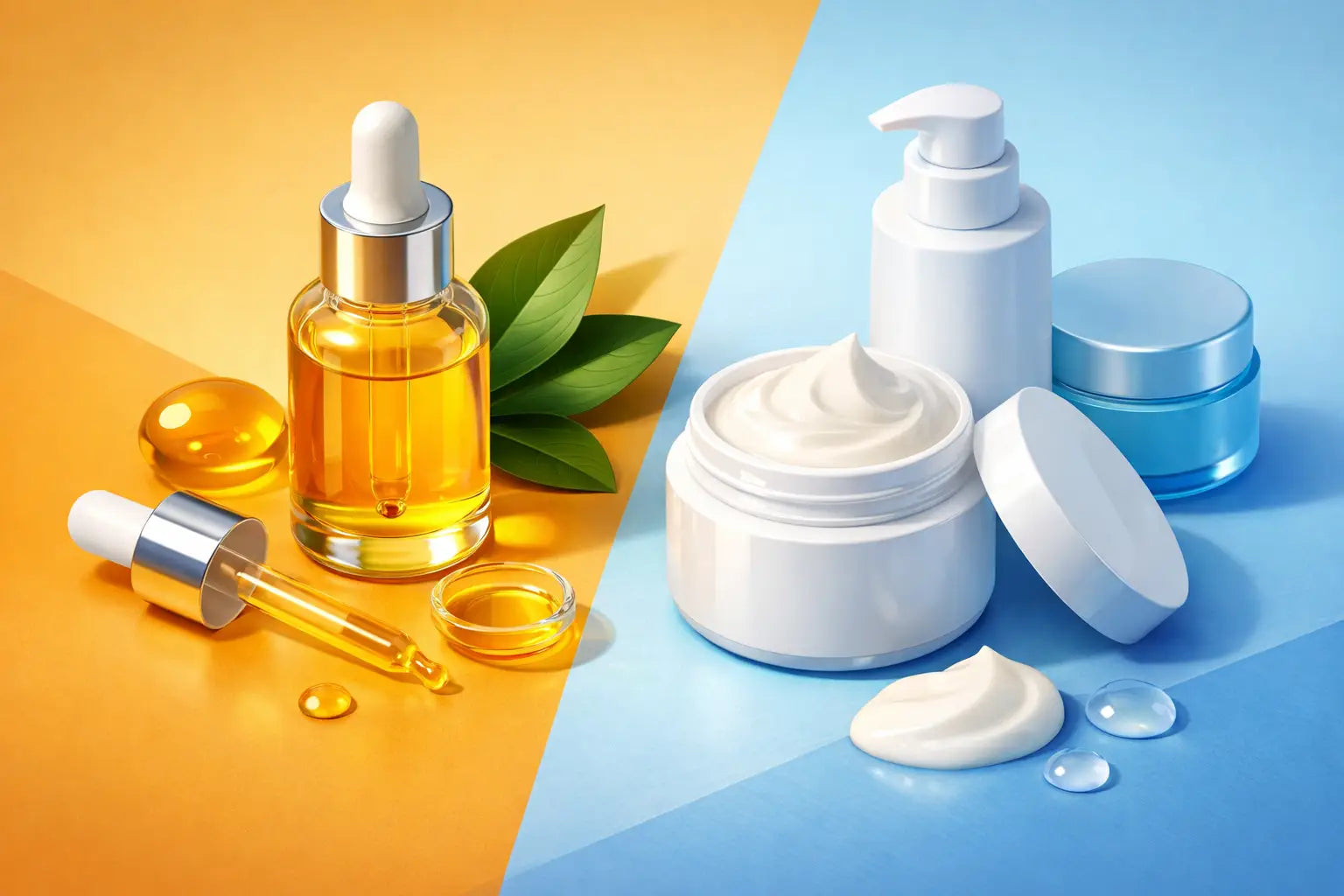
So when people ask whether one is better, the honest answer is that they are better at different jobs. Vitamin C helps skin look brighter and more luminous. Retinol helps skin look smoother and more refined. Some routines eventually use both, but not everyone needs to start there.
When vitamin C makes more sense
If your main goal is glow, vitamin C is often the easier first choice. It slips into a routine without much drama and tends to feel more approachable for beginners, especially when paired with a hydrating moisturizer and daily sunscreen.
Vitamin C works especially well for skin that looks dull or uneven. It can help improve the appearance of dark spots left behind after blemishes, and it brings that polished, healthy-looking finish many people want from their morning routine. Think of it as the ingredient that helps your skin look a little more rested, even when your schedule says otherwise.
There is a texture and formula factor too. Vitamin C serums often feel lightweight, layer well under moisturizer, and fit naturally into the getting-ready rhythm. If you want an ingredient that supports a radiant look without requiring a big learning curve, this is usually where to begin.
That said, vitamin C is not always effortless. Some formulas can be finicky, and some skin types find stronger versions irritating. If your skin is sensitive, dry, or reactive, a gentler vitamin C derivative may feel better than jumping into a very potent formula right away.
When retinol makes more sense
Retinol is the ingredient people tend to choose when they want visible skin refinement, not just surface glow. It is a favorite for smoothing uneven texture, softening the look of fine lines, and helping congested skin look clearer over time.
If your skin feels bumpy, looks less firm than it used to, or keeps cycling through breakouts and leftover marks, retinol can be a strong move. It is often less about instant radiance and more about gradual improvement. With consistency, skin can start to look more even, smoother, and fresher.
The trade-off is that retinol asks for patience. It can also ask for restraint. Use too much too soon, and your skin may let you know with dryness, flaking, or irritation. This is why retinol has a reputation for being effective but a little high-maintenance at first.
For many people, that is still worth it. Once your skin adjusts, retinol can become the product that makes the rest of your routine work harder by improving texture and helping skin feel renewed.
Retinol vs vitamin C for acne, dark spots, and aging
This is where the choice gets more specific.
For dark spots and post-breakout marks, vitamin C is often the more straightforward place to start. It is known for helping brighten the look of uneven pigmentation and bringing back a more balanced tone. If your skin is mostly smooth but the color looks patchy or dull, vitamin C can make a noticeable difference.
For acne and clogged-looking skin, retinol usually has the edge. Because it supports skin turnover, it can help keep pores from feeling as backed up and can improve the look of uneven texture that often comes with breakouts.
For fine lines and visible signs of aging, retinol tends to be the stronger long-game ingredient. Vitamin C still matters here because brighter, more even skin often looks younger and fresher, but retinol is usually the ingredient people lean on for smoothing and refinement.
If your concern is all of the above, that is where using both may eventually make sense. But starting with the ingredient that matches your top priority keeps your routine simpler and your skin happier.
Can you use retinol and vitamin C together?
Yes, but you do not need to rush it.
A lot of people hear about powerhouse routines and assume more actives equal better skin. Sometimes they do. Sometimes they just create confusion, sensitivity, and a collection of half-used serums. The smartest routine is the one you can actually stick with.
Most people do best using vitamin C in the morning and retinol at night. That spacing keeps things simple and gives each ingredient its own lane. Vitamin C layers nicely into a daytime routine built around glow and protection, while retinol fits naturally into an evening routine focused on renewal.
If your skin is sensitive, start with one active first. Use it consistently for a few weeks. Then decide if you truly need the other one. There is nothing glamorous about overloading your skin barrier.
How to choose the right one for your routine
The best way to answer the retinol vs vitamin c debate is to look at your skin in the mirror and ask one honest question: what is bothering you most?
If the answer is dullness, uneven tone, or the look of dark spots, start with vitamin C. It supports brightness, layers easily, and works well for anyone trying to look more fresh-faced and radiant with minimal fuss.
If the answer is texture, fine lines, breakouts, or a less smooth overall look, start with retinol. It may require a slower rollout, but it is often the better fit for people focused on long-term skin refinement.
If your skin is sensitive or you are brand new to actives, vitamin C is usually the gentler introduction. If your skin is resilient and you are ready for a more committed results-driven ingredient, retinol may feel more rewarding.
Lifestyle matters too. If you know you are not going to be consistent with a careful nighttime routine, retinol may end up collecting dust. If you love a polished morning ritual and want a serum that feels easy to wear every day, vitamin C may slide in more naturally.
How to use each one without irritating your skin
Vitamin C is usually best in the morning after cleansing and before moisturizer. Finish with sunscreen every single day. That last step is not optional if your goal is brighter, more even-looking skin.
Retinol is usually best at night. Start two or three times a week, use a small amount, and follow with moisturizer. If your skin feels dry or reactive, cut back and give it time. Better results come from consistency, not from pushing too hard.
With either ingredient, skin barrier support matters. A gentle cleanser, a nourishing moisturizer, and dependable sunscreen can make the difference between a routine that feels exciting and one that feels exhausting.
This is also where shopping a curated mix of trusted formulas can make life easier. Instead of guessing your way through dozens of ingredient claims, a beauty-focused retailer like Starlet Skin helps simplify the search so you can build a routine that feels effective, enjoyable, and realistic.
The ingredient you choose first is not forever
One of the best things about skincare is that your routine can evolve with you. The ingredient that makes sense during a breakout-prone season might not be the one you lean on when your skin starts craving brightness or smoother texture later on.
You do not have to pick a forever favorite today. You just need the one that makes the most sense for your skin right now. If you want brighter, more radiant-looking skin, vitamin C is a beautiful place to begin. If you want smoother texture and a stronger anti-aging step, retinol may be the one that changes your routine for the better.
Good skincare should feel empowering, not overwhelming. Start where your skin is asking for help, keep your routine simple, and give your products enough time to show you what they can do.