Cart
0
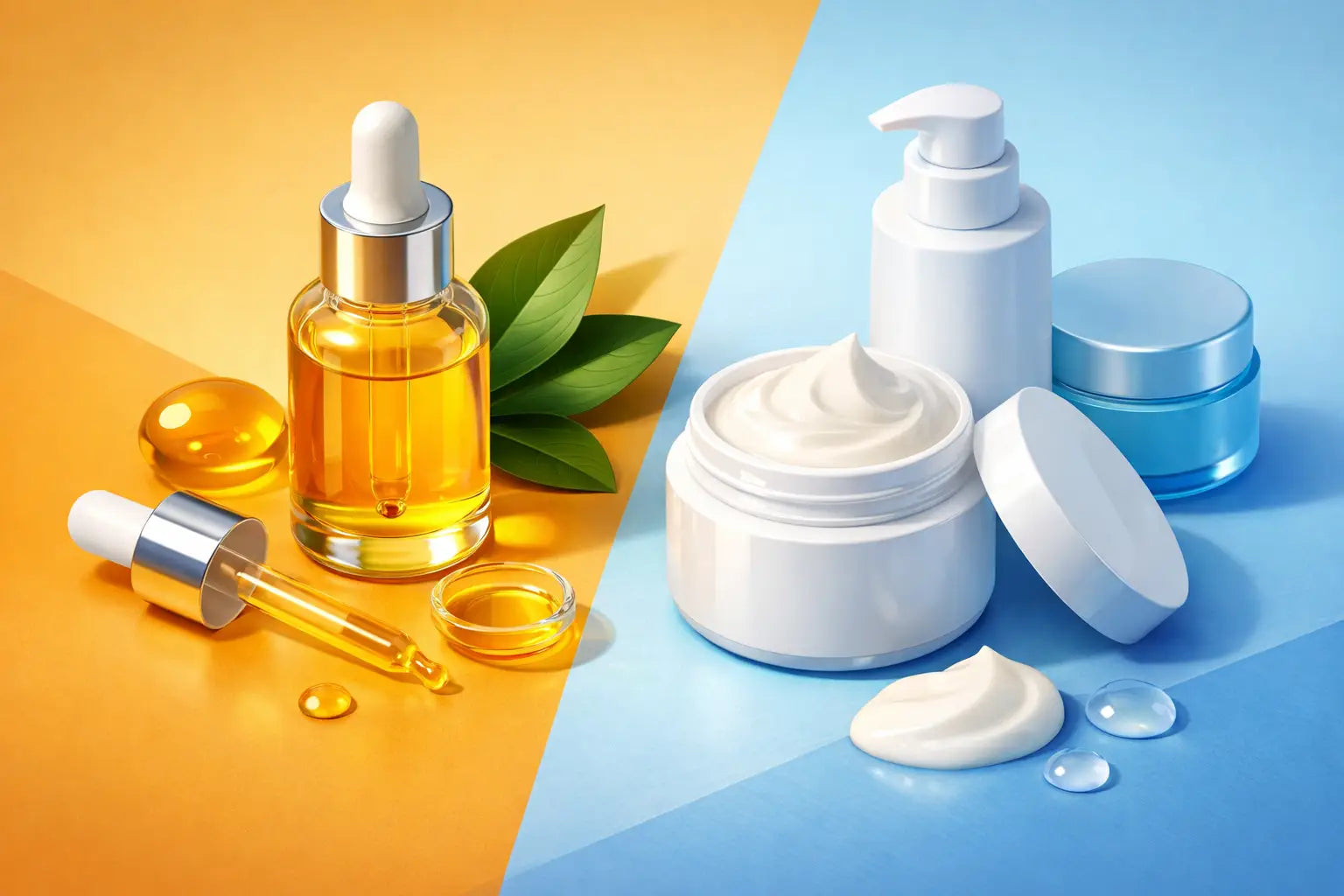
Some mornings, your skin wants that soft, bouncy, just-had-a-facial look. Other days, it feels tight, dull, or somehow both dry and shiny at once. That is exactly why the face oil vs moisturizer question comes up so often. They can both make skin feel better, but they do not do the same job, and choosing the right one can make your routine feel a lot simpler.
If you have ever bought a beautiful face oil and wondered why your skin still felt thirsty, or used a cream and wished for more glow, you are not alone. The good news is that this is not about picking a winner. It is about knowing what your skin is asking for, then giving it the right kind of support.
Face oil vs moisturizer: what is the difference?
At a glance, face oils and moisturizers can seem interchangeable because both are used to help skin feel softer and more comfortable. But the way they work is different.
A moisturizer is usually designed to add water to the skin and help keep that hydration in place. Most formulas combine water with ingredients that attract moisture and ingredients that help support the skin barrier. That is why moisturizers are often the go-to product when your skin feels dry, dehydrated, rough, or stressed.
A face oil is different. Oil does not hydrate skin in the same way water-based products do. Instead, it helps soften, nourish, and lock in what is already there. Think of oil as a finishing layer that helps reduce moisture loss while adding slip and radiance. It can make skin look healthy and luminous, but it usually works best when there is already hydration underneath.
So if your skin feels parched, a face oil alone may not fully solve the problem. If your skin feels hydrated but needs extra comfort and glow, oil may be exactly what is missing.
When moisturizer makes more sense
If you want one product that handles the basics well, moisturizer is usually the better starting point. It is the most versatile option for everyday use and tends to fit easily into both simple and more layered routines.
Moisturizer is especially helpful if your skin feels tight after cleansing, looks flaky under makeup, or reacts easily to weather changes, retinol, exfoliants, or long days in air conditioning. In those cases, your skin often needs hydration and barrier support, not just a surface-level layer of softness.
For oily or combination skin, moisturizer still matters. Skipping it can leave skin feeling off-balance, which sometimes leads to even more visible oiliness. The trick is choosing the right texture. Lightweight gel creams, lotion formulas, and fast-absorbing emulsions can give skin what it needs without feeling heavy.
If you are building a routine from scratch, moisturizer is usually the product to buy first.
When face oil is the better pick
Face oil shines when your skin already has hydration but needs sealing, smoothing, or a more radiant finish. It is often a favorite for dry skin, mature skin, or anyone who wants that supple, healthy-looking glow that reads polished rather than greasy.
Oil can also be a smart choice during colder months, on travel days, or anytime your skin feels a little depleted. A few drops pressed over your moisturizer can make skin feel more cushioned and comfortable. It also tends to give makeup a softer, fresher finish when used carefully.
That said, oil is not automatically better just because it feels luxurious. If you are acne-prone or very oily, some oils may feel too rich, especially in warm weather. Others may work beautifully in tiny amounts. Texture, formula, and your own skin behavior all matter here.
Do you need both?
Sometimes, yes. In fact, using both is often the sweet spot.
Moisturizer brings hydration and barrier support. Face oil helps seal that in and adds extra nourishment. Together, they can leave skin looking smooth, calm, and glowy in a way that feels intentional rather than overdone.
This is especially useful if your skin changes with the seasons or if different areas of your face behave differently. Maybe your cheeks get dry, but your T-zone still gets shiny. Maybe your skin is comfortable in summer with just moisturizer, then craves an oil on top in winter. That kind of flexibility is normal.
Using both does not have to mean a complicated routine. A basic serum, a moisturizer, and a few drops of oil when needed can be more than enough.
How to layer face oil and moisturizer
If you are using both, the usual rule is simple: apply moisturizer first, then face oil.
That order works because moisturizer often contains water-based ingredients that need direct contact with the skin. Face oil goes on after to help lock everything in. Pressing a few drops gently over the face is usually enough. You do not need a thick layer for it to be effective.
There are exceptions. Some rich cream moisturizers already contain enough oils and occlusive ingredients that adding a separate face oil may feel excessive. Some people also like mixing one drop of oil into their moisturizer for a softer finish. That can work well, especially if straight oil feels too heavy.
The best layering method is the one your skin responds to. If your face feels comfortable, looks balanced, and your makeup sits nicely, you are doing it right.
Face oil vs moisturizer for different skin types
Dry skin usually benefits from both. A good moisturizer helps replenish hydration, while face oil adds lasting comfort and a healthy glow. If your skin often feels rough or dull, this pairing can be especially satisfying.
Oily skin often does best with a lightweight moisturizer as the main step. Face oil is optional, not forbidden. The key is choosing a lighter formula and using a very small amount only when skin needs it.
Combination skin is where things get personal. You might use moisturizer all over and dab oil only onto drier areas. Or you may switch between products based on the season. There is no prize for using the same exact routine every day.
Sensitive skin tends to prefer fewer variables. Start with a moisturizer that feels soothing and dependable. If you want to add a face oil later, do it slowly and watch how your skin responds.
Mature skin often loves the finish of oil, especially when fine lines look more noticeable from dryness. Moisturizer helps plump with hydration, and oil can help create that smoother, more rested look.
Common mistakes that make the choice harder
One of the biggest mistakes is treating dryness and dehydration as the same thing. Dry skin lacks oil. Dehydrated skin lacks water. If your skin is dehydrated, face oil alone may leave it feeling smoother for a moment but not truly replenished. That is where moisturizer earns its place.
Another common issue is using too much oil. More is not more flattering here. A couple of drops can make skin glow. Too much can leave it looking slick, cause makeup to slide, or simply feel uncomfortable.
There is also the temptation to skip moisturizer because a face oil feels richer. Rich does not always mean hydrating. If your skin still feels tight underneath that glow, it is probably asking for moisture, not just oil.
How to choose without overthinking it
If your skin feels tight, thirsty, flaky, or stressed, start with moisturizer.
If your skin feels mostly comfortable but looks dull or needs a softer finish, add a face oil.
If your skin feels dry and wants more bounce, comfort, and glow, use both.
That is the real answer to face oil vs moisturizer. It is less about rules and more about reading what your skin is doing right now. Some days call for fresh, lightweight hydration. Some days need a little extra richness. And sometimes the best routine is the one that gives you that easy, healthy-looking glow with the least amount of effort.
Great skincare should make you feel more like yourself - just smoother, softer, and a little more radiant when you catch your reflection.